I’ve been thinking a lot about balance. What does it look like on the daily? How do I feel when I am balanced? What do I have to say “no” to in order to stay in balance?
I find it helpful to consider the state of balance as a recipe for a delicious pot of soup. (Is anyone surprised that I would use a food metaphor?) To make a good-tasting soup, you start with a base, add nutritionally dense food, and then season with herbs and spices. As the soup simmers – slowly cooking the food, an alchemical process happens. Individual ingredients change form. Flavor profiles shift. A bland potato transforms into something richer, more exotic.
Or not. If the soup is not well-attended, it can burn. If one ingredient, like salt, is over-used, then the soup becomes inedible. To make a soup where the ingredients are cooked just the way that you like them and the flavor is delicious requires monitoring the temperature, stirring the pot, tasting the soup, and when necessary, making adjustments until the soup is ready to eat. Good-tasting soup is a practice in balance.

Please meet my new sister, Poppy. She is 10 weeks old and adorable.
She is my mother’s favorite child.
Each day you get to make a pot of soup. There may be times when you need to make the same type of soup each day and other times when you need a different type of soup each day. That’s life. Needs and desires change. What does not change is the need to eat every day. The question then becomes: What type of soup do I need to make for today?
Below is a recipe that I created to find balance. This recipe is an outline. Space is provided so you can adjust the recipe to reflect your needs for the day.
If you create a recipe that you love, please share it with me! I want to know how other people are finding balance. You may use an ingredient that I have never considered or you may use a ratio that brings out a flavor I have never achieved. There is much to be learned and enjoyed by sharing recipes.
One way that you may achieve balance is to join us in community at Shakti in the Mountains. Please look at our upcoming events. You also may want to check out our Community Support Board hanging in the Makerspace area.

Community Support Board
In the past week, I have witnessed someone offer to make a loaf of bread for another and a person ask for transportation. Both the offer and the request were met. Reciprocity in action: I love it!
Wishing each one of you a week of balance.
Love,
Kim
A Recipe for Finding Balance
Every soup recipe starts with a base – a foundation in which the primary ingredients are cooked. When making a recipe for balance, the base requires meeting one’s basic needs. Ask yourself: How much do I need of:
- Sleep
- Water
- Food
- Shelter
- Clean air
Notice the quality of your ingredients. If you are eating mostly processed foods or if your sleep is frequently disrupted or if you live in a location with poor air quality or if your shelter is unstable or dirty, then your “soup” is going to “taste” very different.
When I reflect on what “ingredients” are available to some people and not to others, I find it easier to be compassionate toward people who are trying to make soup with few or subpar ingredients. It also makes me want to resource ingredients so everyone can make delicious soup.
After the base is made, it is time to add the nutritionally dense ingredients or the components that make the soup worth eating. Not every soup is the same. The choice of ingredients changes based on what you are in the mood to eat. Consider the type and quantity that you want of each of the following:
- Quiet time: Time spent by oneself without distractions. Some examples of quiet time are journaling, meditating, praying, cloud-watching, fishing, and bubble baths.
- Physical activity: Movement of the body. Does not need to resemble “exercise.” Some examples are: dancing, swimming, hiking, trampoline-jumping, walking, hula-hooping, gardening, cleaning, weight-lifting, yoga, tai chi, biking, canoeing, and chasing a child.
- Intellectual stimulation: Mind activity. Some examples are: learning something new, listening to a new perspective, solving a puzzle, attending a presentation, reading a book, watching a film/show/documentary, and exploring new ideas.
- Creativity: Engaging in an activity that invites exploration, play, curiosity, and imagination. New skills may be learned or current skills may be refined.
- Meaningful work: This activity may or may not receive financial compensation. Meaningful work happens when you feel like your values are aligned with your actions. Quite often when you are engaged in meaningful work, you feel like you are contributing to a solution or alleviating suffering.
To make a soup flavorful, not just nutritious, we add spices to the mix. The same ingredients taste very different depending on what spices are used. When considering what spices to add, ask yourself: What taste am I wanting?
Each taste offers something unique and meets a need. There are five tastes that we can detect with our tongue: sweet, salty, bitter, sour, and umami (savory). Each taste has benefits. (Too many for the purpose of this article.) One way to clarify the flavor profile of your soup is to get clear about your intention. Consider using the questions below to identify the flavors that you want to use in your soup.
- Sweet: Where do I want more sweetness or ease in my life?
- Salty: Where do I need more stability in my life?
- Bitter: What do I need to detoxify or let go of to achieve balance?
- Sour: Where do I need to create or maintain boundaries?
- Umami: Where do I need more fluidity in my life?
After adding spices, stir the pot and let the soup simmer. Taste periodically and notice how the flavor shifts as ingredients have time to cook and to blend. You may need to add more of something or perhaps you simply need to wait longer for the soup to cook until you find the right balance for you. Remember each day is an opportunity to make a new soup that works for you.
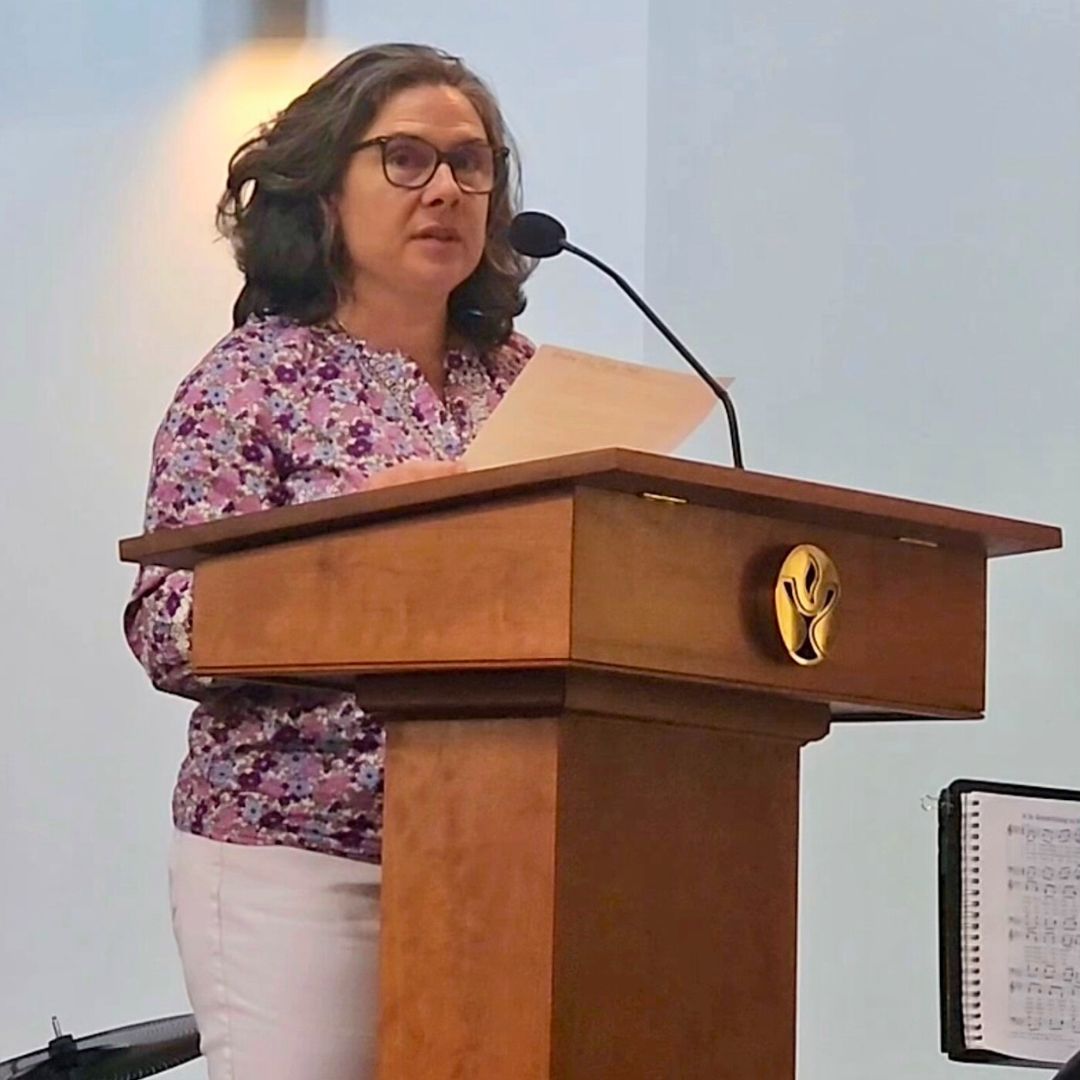
For nearly thirty years, Kim Bushore-Maki has served Appalachia as both a pioneer and champion of holistic well-being and community health.
A licensed clinical counseling professional, she became the first Master level clinician at East Tennessee State University's Counseling Center, where she provided therapeutic services and directed the Sexual Violence Prevention Program and the Alcohol and Drug Prevention Program.
During her tenure at ETSU, she was a founding organizer of the Tennessee Coalition for Healthy and Safe Campus Communities as well as Tennessee's representative for the National Prevention Network. She drafted ETSU's first Sexual Violence Response Policy and coordinated the region's first "Take Back the Night" program and fundraiser (the oldest worldwide movement to stand against sexual violence in all forms), the proceeds of which funded the first SANE nurses at the Johnson City Medical Center. Kim also served as Interim Director of Disability Services for 11 months.
In 2010, Kim followed her intuition and vision to found Shakti in the Mountains, a thriving healing-arts center that draws on somatic expressive therapy, archetypal psychology, wisdom traditions, and regenerative economics. Kim continues to maintain a small private therapy practice and also leads healing programs and retreats, guides the Shakti Stewardship Program, and serves as a community-building consultant to justice-oriented initiatives committed to building safe, inclusive, vibrant, and resilient communities.
Sign up here to receive updates on free community events, workshops, and more.

Support, Connect, and Grow with Us
Invest in a future where the feminine thrives, and the collective energy we build helps uplift everyone involved. Together, we can keep this space open, accessible, and flourishing for all.