
Last week, thanks to two Shakti Angels, we received elusive horseradish which currently cannot be found in stores, and consequently, were able to plant some as well as make Fire Cider. We now are steeping two gallons for the community and will be able to share in four weeks.
I recently read a Substack article written by Sarah Noack entitled From a Matriarchal Perspective, The FacistTech Bros Have Already Lost. Noack begins her argument by defining patriarchy as “a domination-based system [in which] power is measured by how much control you can exert over other people, resources and, ultimately, life itself.” In a word, patriarchy is extractive: taking and taking without any regard to the finiteness of resources. Noack acknowledges the extractive nature of patriarchy and asks: Why do we treat this [fascist tech bros building increasingly powerful AI while casually entertaining the possibility that it could wipe out human civilization in the next three years] as the ultimate expression of technological power?
Great question. Why do we, as a culture, put people who do not care about the consequences of their decisions on a pedestal? Why do we accept the growth of AI as inevitable and use arguments like, It is better to be a part of training the system than ignoring the system, as a valid reason to use AI?
I realize that AI makes most people’s job easier in large part because AI allows people to work faster. Faster means more productive. More productive means what exactly? Job security? Aren’t people losing jobs because AI makes their job obsolete? Or perhaps more productive means that you will make more money. How many laborers have experienced an increase in their wages? From what I can tell, more productive means the expectations for the average employee are higher and the shareholders make more money.
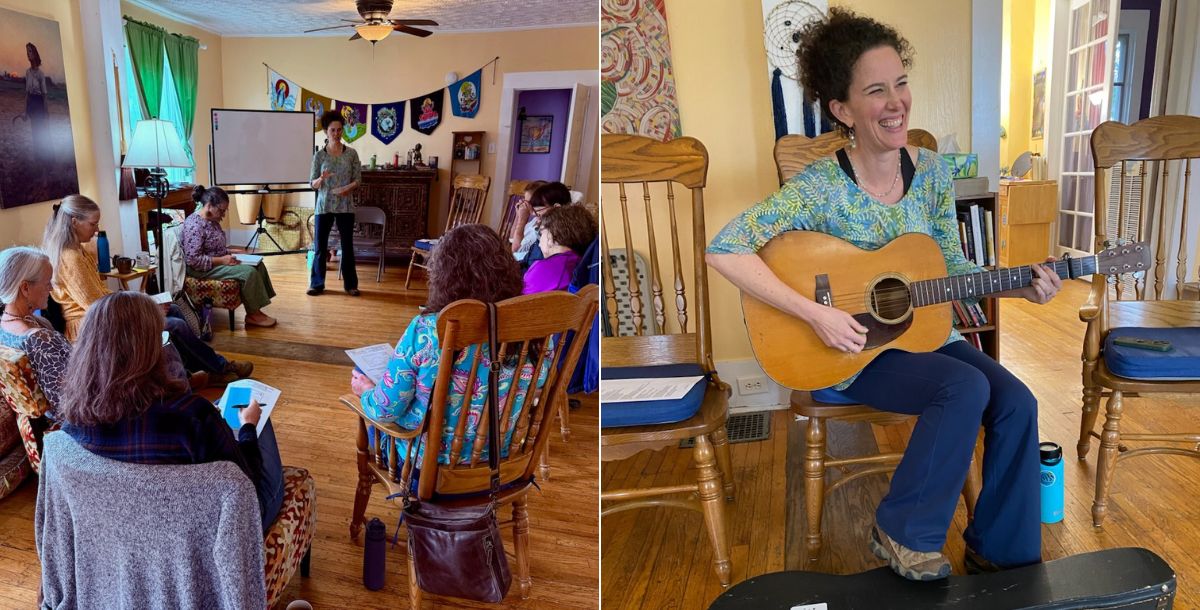
What a treat to have Hannah Levin from Heartfelt Wellbeing at Shakti! We learned a lot about Ayurveda, specifically recommendations for women in the second half of life. We also ate delicious, healthy food and sang in a circle.
The extractive nature of patriarchy goes hand-in-hand with the exploitation of capitalism. In a recent episode (October 12, 2026) from the Upstream podcast, Max Haiven, who wrote the open access book The Player and The Played: From Gamified Capitalism to 21st Century Fascism, argues that modern capitalism is a game in which the majority of people cannot win. Haiven argues that the gig economy and the side hustle illustrate his point.
We think that if we rent a room on Air BnB or become an Uber driver that we are circumventing the system by making extra money outside of typical employment. While you are earning some money, the tech giants who own the platforms are becoming billionaires. Uber reported a 2.9 billion dollar net income in 2025. [Source] Air BnB reported a net income in 2025 of 2.5 billion. [Source]
This information is not shared to shame people who rent rooms or use their car as a taxi. Both of these activities are viable ways to make money. I share this information to show the economic discrepancy between the people providing the work and the people who own the company. You renting a room or taxiing people is never going to make you a millionaire let alone a billionaire.

Last Friday, as we crafted during Makerspace Open Hours, we enjoyed homemade Persimmon bread and Chocolate Chip Sourdough scones. Join us this week for a special Makerspace which includes a Mending Circle with a talented seamstress.
What I do hope this information encourages is an exploration of the tenets of matriarchy. As a refresher, matriarchy is a way of organizing and is not exclusive to a particular gender. Just like any gendered person can abuse power in a patriarchy, any gendered person can benefit from matriarchy. Patriarchy operates from a zero-sum-game mentality and views interactions as ways to have power OVER people.
Matriarchy invites people to organize by asking questions like: How does this decision benefit the greater whole? Who does this action nurture? What harm could befall the ecosystem by making this decision? Matriarchy views interactions as ways to share power WITH others.
If we applied a matriarchal lens to Uber, then we might ask questions such as:
- What might we experience if we created a ride share program in which the profits were shared among all the drivers?
- If some of the profits were used to provide reduced rate or free rides to people in need?
- If a concerted effort was made to reduce carbon emissions by providing electric vehicles for drivers to use?
Currently I am co-facilitating Incubating the Matriarchy: a seasonal, online series in which we examine different cultural components and identify values and practices that are rooted in care-taking, nurturing, and peace-making. This fall we are exploring regenerative economics. Each season will have a different focus. If you would like to participate in the winter Incubating the Matriarchy, then please send me an email. My co-facilitator, Melissa Curran, and I are already feeling into the next topic.
In the meantime, I leave you with the same query that we invited the folks in the series to explore last week.
Did I receive fulfillment, satisfaction and value in proportion to life energy spent?
Evaluate your expenditures. Place an up arrow if the expenditure is worth the life energy. Place a down arrow if the expenditure is NOT worth the life energy. Place a zero if the expenditure is okay or neutral. Also notice how you felt after spending an hour of your time with people that you love and care about.
Wishing everyone a week of less hustle and more restoration.
Love,
Kim

Thanks to a Shakti Angels, we now have an insulated cat house for our new feline friend. He, I think the cat is a male, immediately checked it out.
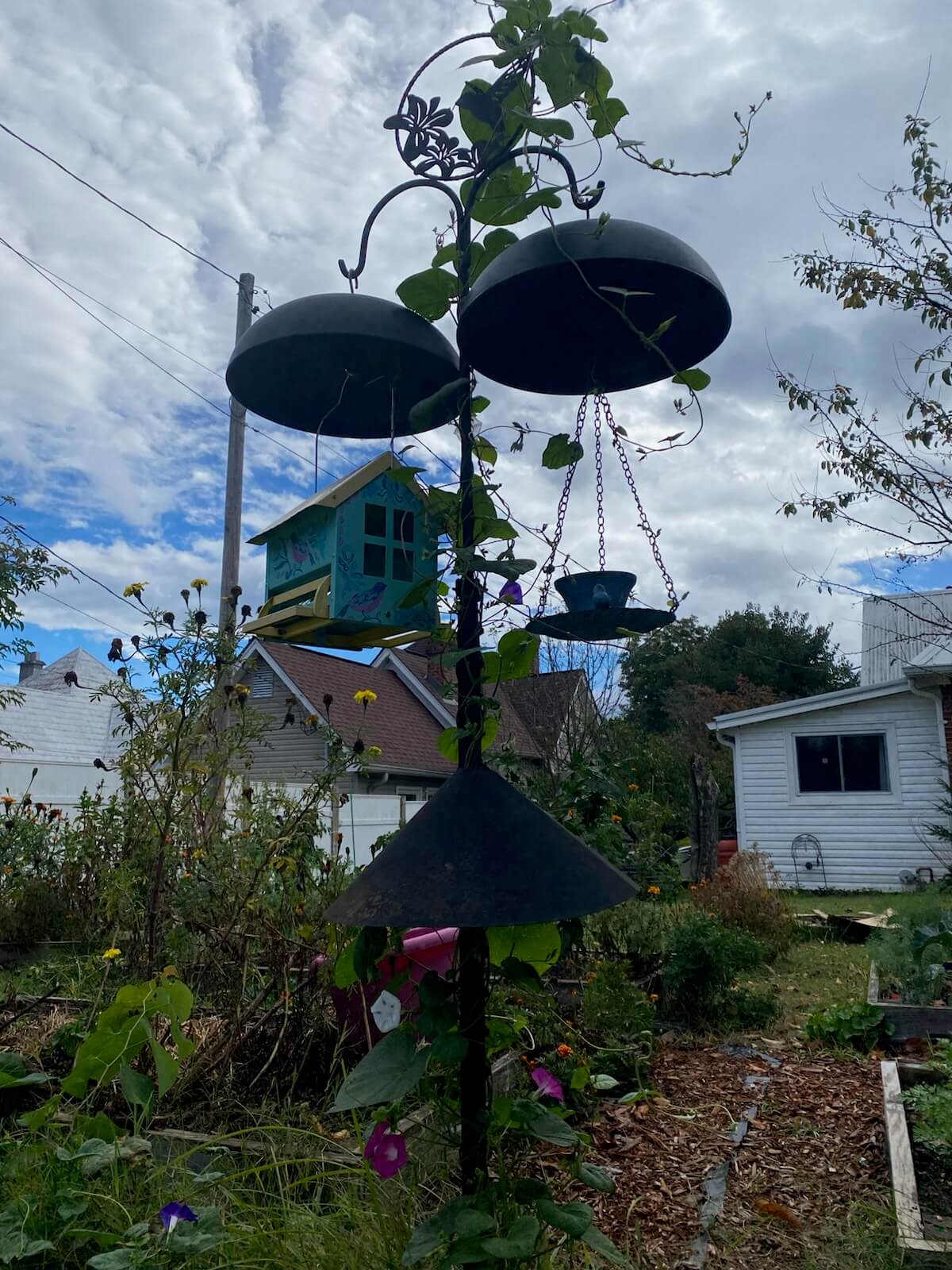
A scene from the Shakti garden.
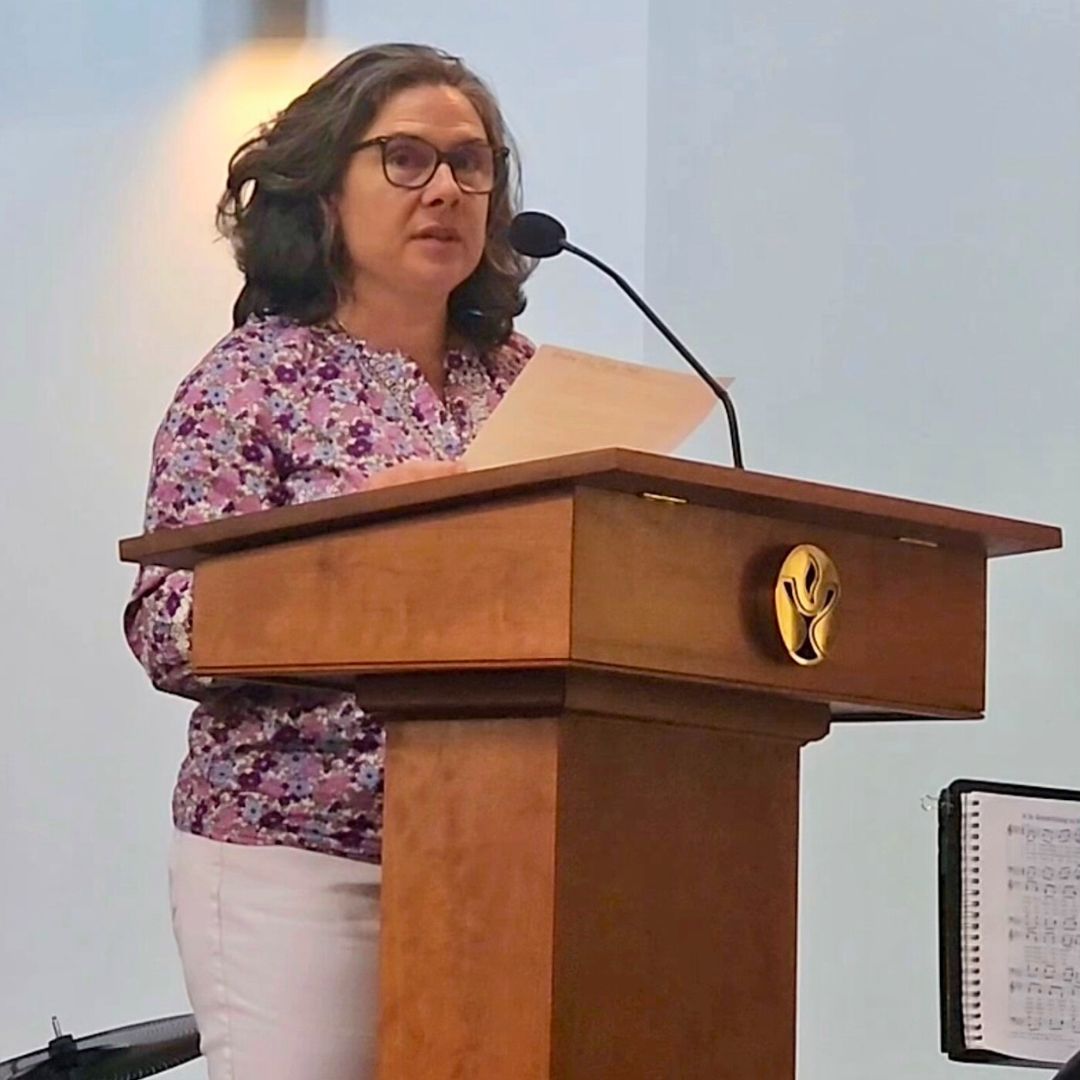
For nearly thirty years, Kim Bushore-Maki has served Appalachia as both a pioneer and champion of holistic well-being and community health.
A licensed clinical counseling professional, she became the first Master level clinician at East Tennessee State University's Counseling Center, where she provided therapeutic services and directed the Sexual Violence Prevention Program and the Alcohol and Drug Prevention Program.
During her tenure at ETSU, she was a founding organizer of the Tennessee Coalition for Healthy and Safe Campus Communities as well as Tennessee's representative for the National Prevention Network. She drafted ETSU's first Sexual Violence Response Policy and coordinated the region's first "Take Back the Night" program and fundraiser (the oldest worldwide movement to stand against sexual violence in all forms), the proceeds of which funded the first SANE nurses at the Johnson City Medical Center. Kim also served as Interim Director of Disability Services for 11 months.
In 2010, Kim followed her intuition and vision to found Shakti in the Mountains, a thriving healing-arts center that draws on somatic expressive therapy, archetypal psychology, wisdom traditions, and regenerative economics. Kim continues to maintain a small private therapy practice and also leads healing programs and retreats, guides the Shakti Stewardship Program, and serves as a community-building consultant to justice-oriented initiatives committed to building safe, inclusive, vibrant, and resilient communities.
Sign up here to receive updates on free community events, workshops, and more.

Support, Connect, and Grow with Us
Invest in a future where the feminine thrives, and the collective energy we build helps uplift everyone involved. Together, we can keep this space open, accessible, and flourishing for all.