Happy Fall! With the new season comes a shift in focus and energy. The Shakti Fall Calendar reflects the change in season with offerings that invite the preservation of what you have grown, practices that encourage you to slow down and reflect, care routines that ground and sustain you, and as always, ways to explore the interconnections among all living beings. Please consider the events listed under “Spotlights,” notice which ones align with your needs, and then register for them. We would love to spend time with you!
One point of reflection that arises for me at the beginning of fall is my boundaries. Similar to walking a fence line that keeps unwanted critters out and wanted critters in, I find that I need to check my boundaries for energy leaks that overextend my resources. Boundary checks are not about making someone bad or wrong. Rather boundary checks simply acknowledge the process of erosion over time and aim to shore up the gaps.

Donations needed for the Little Free Pantry. Could you help by making a donation? Our cupboards are running low! If you are able and willing, then please consider making a donation to the Little Free Pantry at Shakti. 100% of your donations buy non-perishable food that feeds people who lack the resources to buy their own. If you would prefer to buy food, then here is a list of items that are much appreciated. Feel free to leave your food donations directly in the Pantry or place your donation on the front porch. I will bring the excess donations inside and use them for my daily stocking of the Pantry. Every time I stock the pantry and encounter someone who uses it, I hear words of gratitude and appreciation. Thank you!
Below I offer a Boundary Checklist Guide to support anyone who wants to engage in this practice. I do have a caveat. If you want to establish boundaries with a person or in an area of your life where there have previously been no to very few boundaries, then please consider the following:
- People who are not used to hearing the word “no” from you may have a strong reaction to your boundary setting. Their reaction does not mean that you are wrong to set a boundary.
- If you are not used to setting boundaries, then you may want to:
- Write it before you share it
- Practice saying the boundary to someone whom you trust to give you constructive feedback
- Learn more about non-violent or compassionate communication
- Work with a mental health professional or coach to help you communicate boundaries
- No is a complete sentence. You do not have to justify your no.
- Boundaries protect not only you but the other people in your life. Boundaries teach people how to treat you. They conserve resources. They encourage self-efficacy and discourage co-dependency. Boundaries are healthy.
One time a community member described me as a “walking boundary.” I did not take offense. I knew that person meant it as a compliment. I am glad that my boundary setting capabilities are seen and appreciated. My boundaries help people feel safe enough to show up and share at community events, in private sessions and in relationships with me.
Your boundaries can do the same thing. People want to know the rules of engagement. They want to know what you like and do not like so they can respect you. And the people who do not care, who do not respect your boundaries? Well, they just gave you invaluable information in which to make a decision about how and with whom you share yourself.
I wish everyone a fall season that includes good times and healthy boundaries.
Love,
Kim
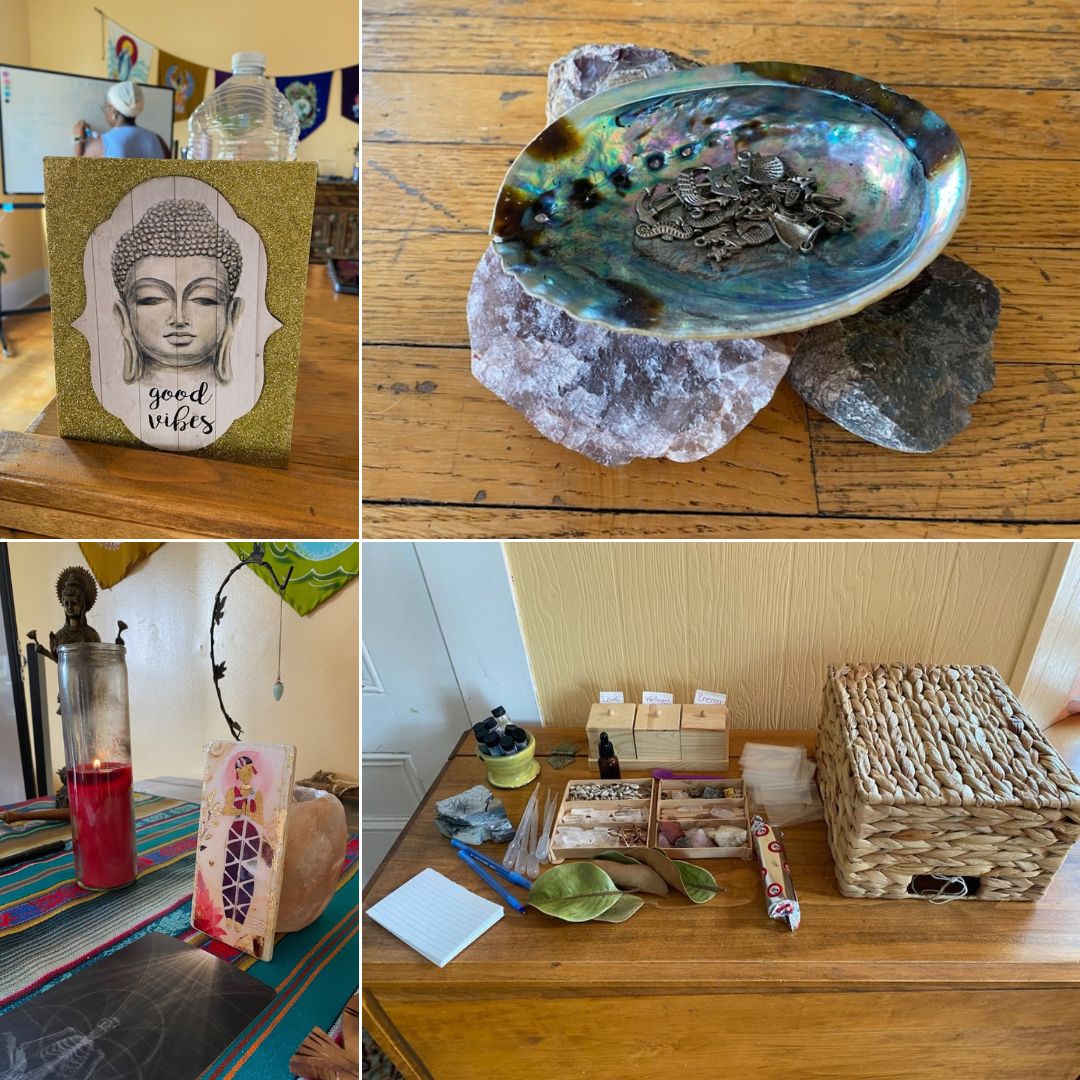
Thank you Chandra for creating a beautiful and sacred container that allowed us to release what no longer serves us. You are an inspiration and a model for our community!
Boundary Checklist Guide
Answer the following questions with as much detail as you wish.
| ☐ | When I review my schedule for the day or the week, how do I feel? | |
| ☐ | Are there people or places that I am avoiding? | |
| ☐ | Do I have the energy that I need to accomplish the things that I want to do? | |
| ☐ | How often do I say: “Things will get better when…” | |
| ☐ | What percentage of my time is spent doing things that I want to do versus doing things that I feel that I must do? | |
| ☐ | How often do I feel that I am accommodating other people’s expectations, wishes, and demands? | |
| ☐ | Where, if any, do I have problems saying how I really feel or what I really want? | |
| ☐ | Do I feel heard and respected in my relationships? | |
| ☐ | Have other people called me selfish or self-centered? If yes, when does it happen? | |
| ☐ | When and with whom do I feel the most energized, content, and happy? |
As you reflect on your answers, notice what themes emerge. Do you typically have the energy that you need to do things that you want? Do you feel seen and heard in your relationships? Do you often feel that you can share how you feel or express an opinion without being shut down, dismissed, or ridiculed?
If you mostly feel positive about how and with whom you spend your time, then you more than likely have minimal energy leaks. (We all have off days.) If, however, you:
- Frequently resent your commitments and/or relationships
- Often feel apathetic, despondent, or anxious when contemplating your action items and/or gatherings
- Usually feel angry or afraid when interacting with a particular person
- Wait so long to do what you want that you frequently run out of time to do the thing
- More often than not bite your tongue and do not share your opinion or feelings
- Notice that a person frequently ignores or intentionally violates your requests
If you answered “yes” to most of the above questions, then you probably have at least one if not multiple energy leaks and could benefit from setting clear and firm boundaries.
If you are not sure where to start or want support setting boundaries, then please reach out to schedule an appointment. I offer one-and-done appointments (you can have more than one if you want) to help people become good stewards of their personal resources.
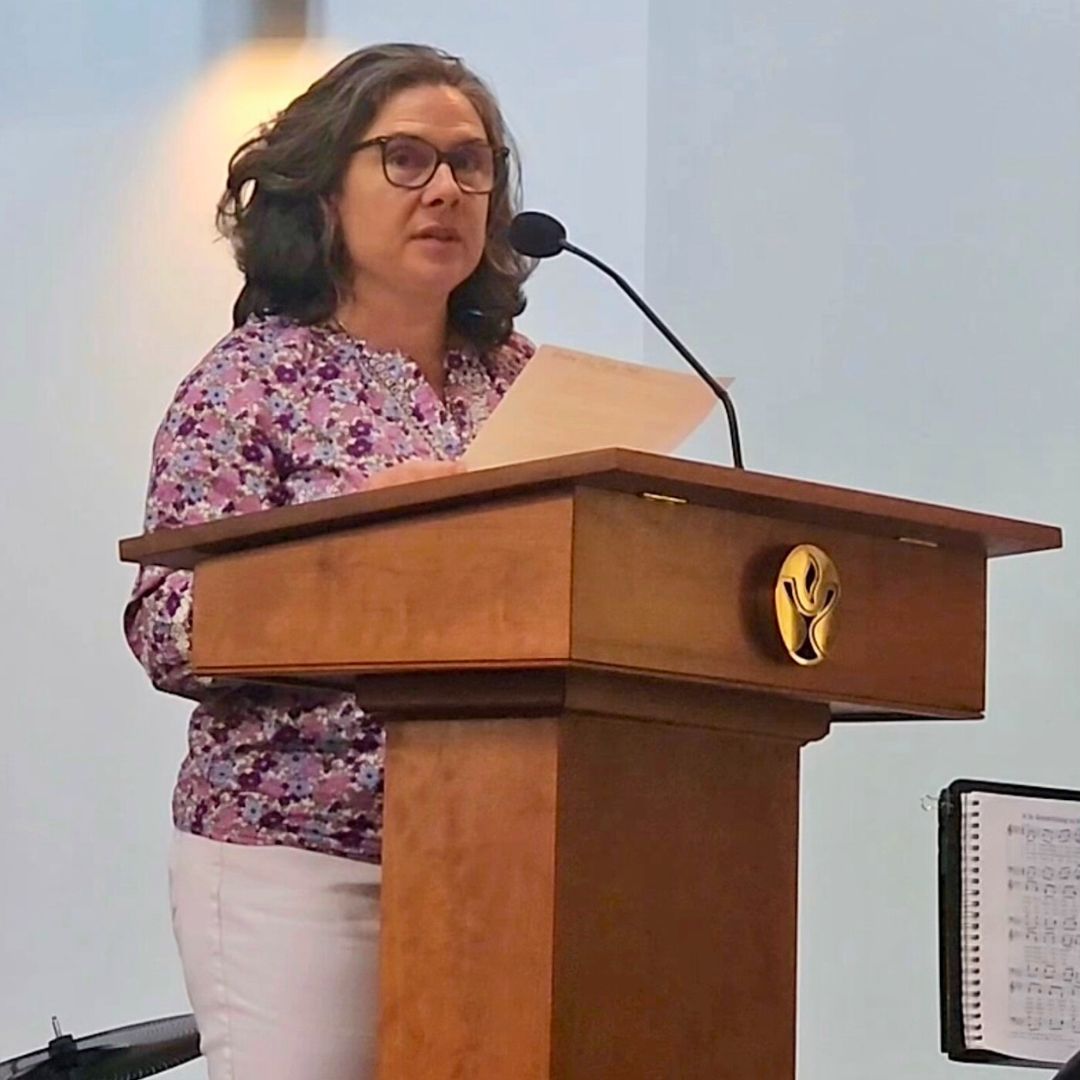
For nearly thirty years, Kim Bushore-Maki has served Appalachia as both a pioneer and champion of holistic well-being and community health.
A licensed clinical counseling professional, she became the first Master level clinician at East Tennessee State University's Counseling Center, where she provided therapeutic services and directed the Sexual Violence Prevention Program and the Alcohol and Drug Prevention Program.
During her tenure at ETSU, she was a founding organizer of the Tennessee Coalition for Healthy and Safe Campus Communities as well as Tennessee's representative for the National Prevention Network. She drafted ETSU's first Sexual Violence Response Policy and coordinated the region's first "Take Back the Night" program and fundraiser (the oldest worldwide movement to stand against sexual violence in all forms), the proceeds of which funded the first SANE nurses at the Johnson City Medical Center. Kim also served as Interim Director of Disability Services for 11 months.
In 2010, Kim followed her intuition and vision to found Shakti in the Mountains, a thriving healing-arts center that draws on somatic expressive therapy, archetypal psychology, wisdom traditions, and regenerative economics. Kim continues to maintain a small private therapy practice and also leads healing programs and retreats, guides the Shakti Stewardship Program, and serves as a community-building consultant to justice-oriented initiatives committed to building safe, inclusive, vibrant, and resilient communities.
Sign up here to receive updates on free community events, workshops, and more.

Support, Connect, and Grow with Us
Invest in a future where the feminine thrives, and the collective energy we build helps uplift everyone involved. Together, we can keep this space open, accessible, and flourishing for all.